







Best Sellers
5-Amino-1MQ
Price range: £42.99 through £55.995-Amino-1MQ
Metabolic — NNMT Inhibitor 5-Amino-1MQ
A small-molecule inhibitor of nicotinamide N-methyltransferase (NNMT), an enzyme highly expressed in adipose tissue that regulates cellular energy metabolism.
By blocking NNMT, research models show increased intracellular NAD+ and SAM availability, promoting fat browning and metabolic activity in adipocytes.
- Target: NNMT (nicotinamide N-methyltransferase)
- Class: Small-molecule enzyme inhibitor
- Primary Research Focus: Adipocyte metabolism & fat loss
AOD-9604
Price range: £28.99 through £49.99mgAOD-9604
Hormonal — GH Fragment Modified C-terminal hGH lipolytic fragment AOD-9604 is a modified C-terminal fragment of human growth hormone developed to isolate lipolytic properties without stimulating IGF-1 or producing the anabolic side effects of full-length GH. Received GRAS status from the FDA as a food additive ingredient. Fragment of: hGH aa 177–191 IGF-1 Effect: None observed Primary Research: Fat metabolism
BPC-157
Price range: £27.99 through £35.99mgBPC-157
Bioregulator — Pentadecapeptide Gastric-derived healing peptide Body Protective Compound 157 is a synthetic pentadecapeptide derived from a protective protein found in human gastric juice. Extensive preclinical research documents its capacity to accelerate healing across tendons, muscle, bone, gut, and neural tissue through multiple interacting biological pathways. Sequence Length: 15 amino acids Origin: Gastric juice protein Primary Research: Tissue repair & healing
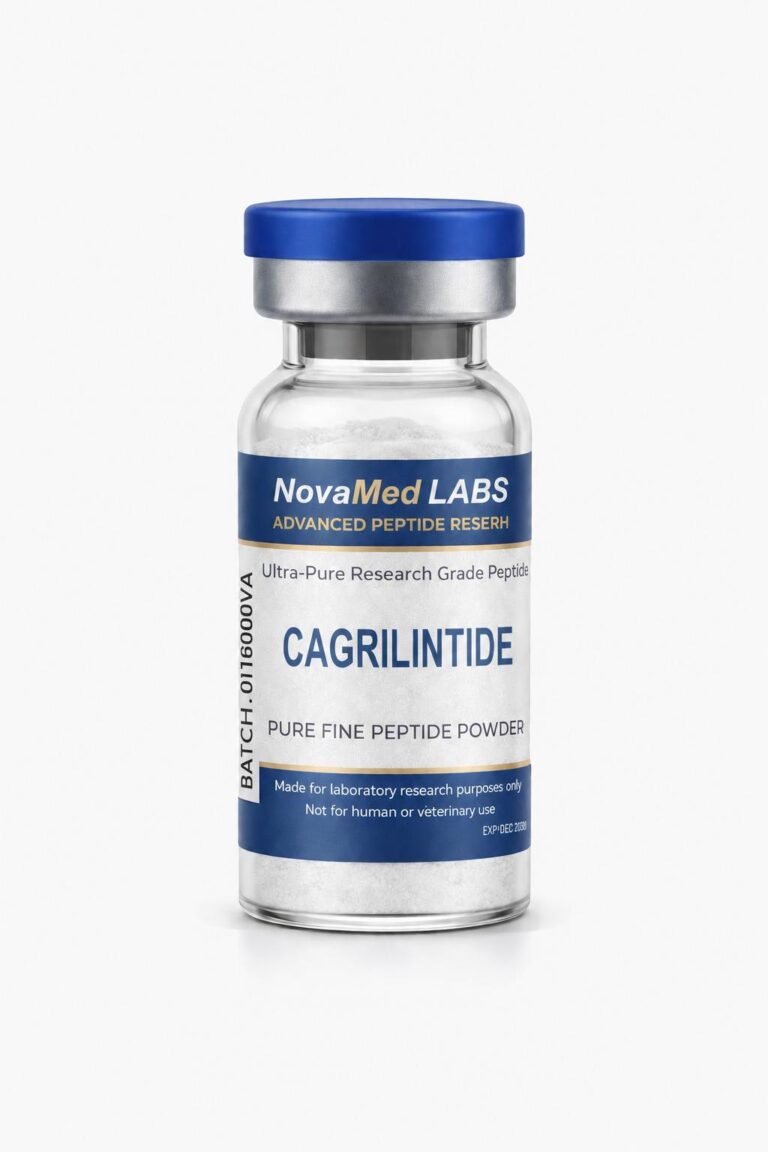
Cagrilintide
Price range: £44.99 through £58.99Cagrilintide
Metabolic — Amylin Analogue Cagrilintide
A long-acting amylin analogue under development by Novo Nordisk.
Amylin is a pancreatic peptide co-secreted with insulin that regulates appetite and gastric emptying.
Combined with semaglutide in the CagriSema formulation, Phase III trials have demonstrated up to 22.7% mean weight loss — approaching the efficacy of surgical interventions.
- Class: Long-acting amylin analogue
- Developer: Novo Nordisk
- Stage: Phase III (CagriSema combination)

CJC-1295 (No DAC)
Price range: £32.99 through £48.99CJC-1295 (No DAC)
Hormonal — GHRH Analogue CJC-1295 is a synthetic GHRH analogue. The no-DAC variant produces short, pulsatile GH release closely mimicking natural physiology and is commonly combined with Ipamorelin for synergistic effect across the GH axis. Target: GHRH receptor Variant: No-DAC (short-acting) Half-Life: ~30 min (no DAC)
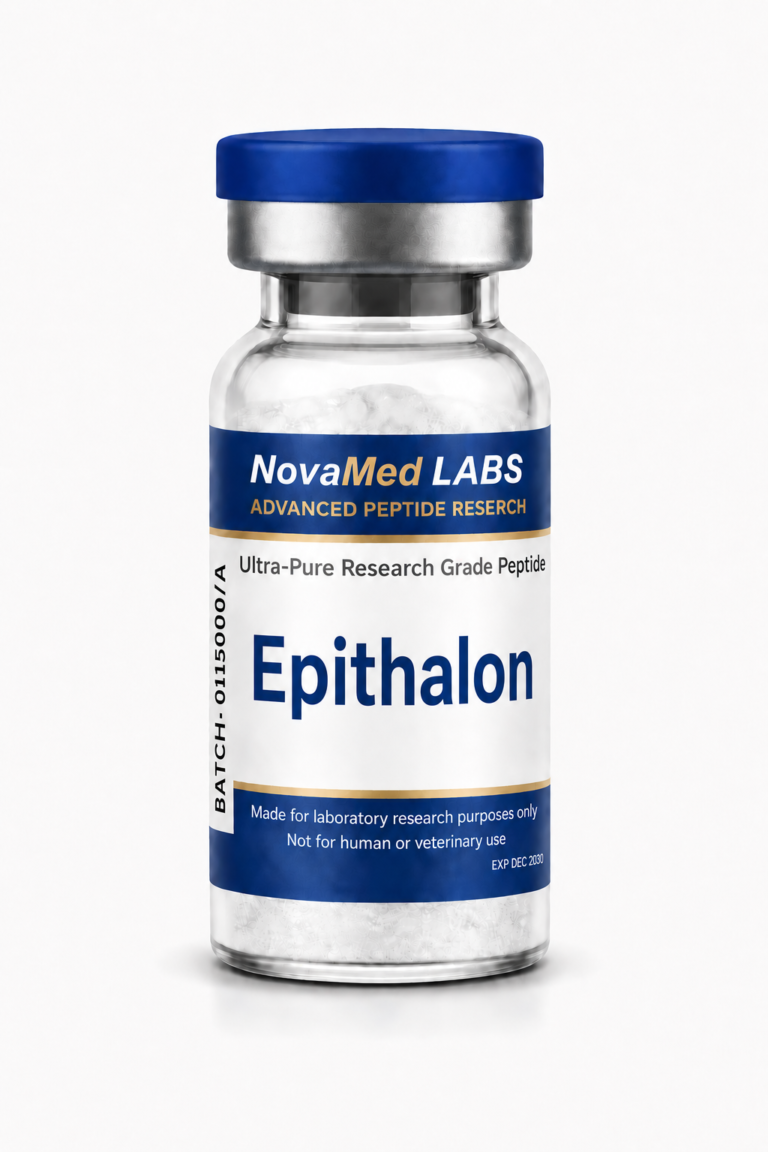
Epithalon
Price range: £36.99 through £66.99Epithalon
Bioregulator — Tetrapeptide Epithalon
A synthetic tetrapeptide developed by Prof. Vladimir Khavinson at the St. Petersburg Institute of Bioregulation.
It is among the most researched bioregulators, with focus on telomerase activation, circadian rhythm restoration, and longevity in multiple animal models.
- Sequence: Ala-Glu-Asp-Gly
- Developed by: Prof. V. Khavinson
- Key Activity: Telomerase activation
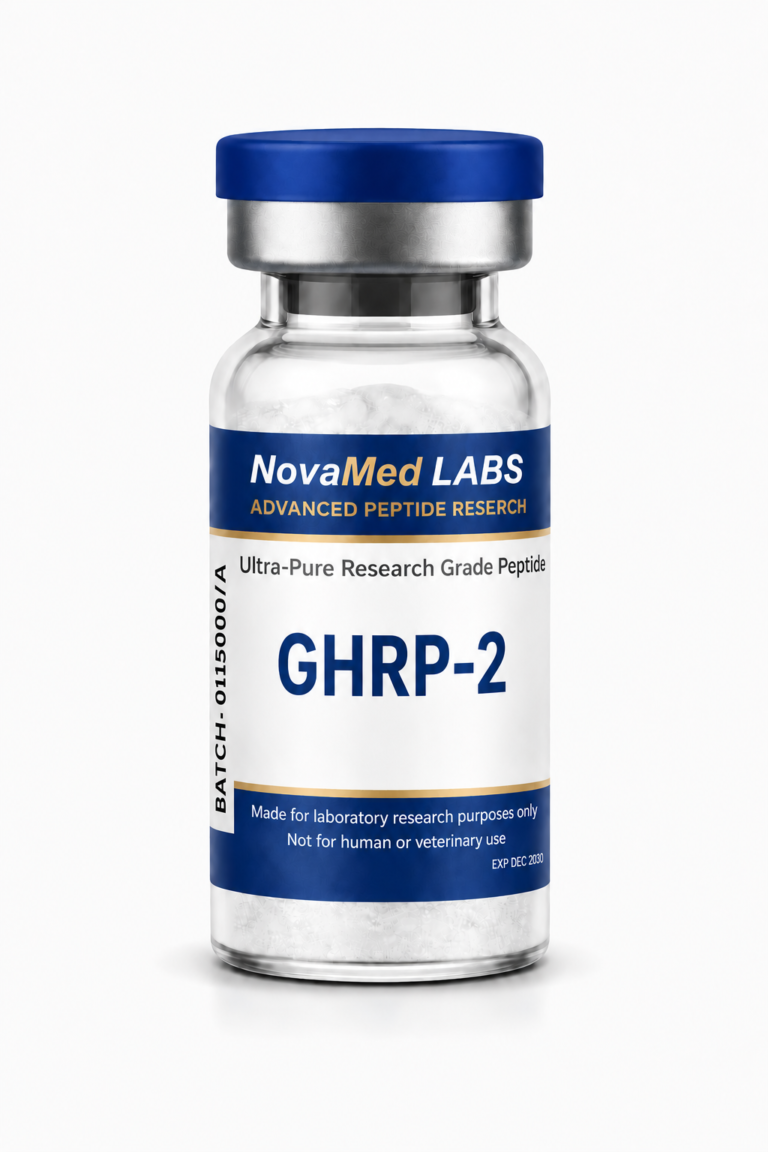
GHRP-2
Price range: £34.99 through £42.99GHRP-2
Hormonal — GH Secretagogue (GHRP) GHRP-2
A synthetic hexapeptide growth hormone secretagogue, closely related to GHRP-6 but generally regarded as somewhat more potent with a less pronounced appetite-stimulating (ghrelin-mimetic) effect, making it a frequently studied alternative within the GHRP family.
Class:
Hexapeptide GHS
Receptor:
Ghrelin (GHSR-1a)
Notable Trait:
Reduced hunger stimulation vs GHRP-6
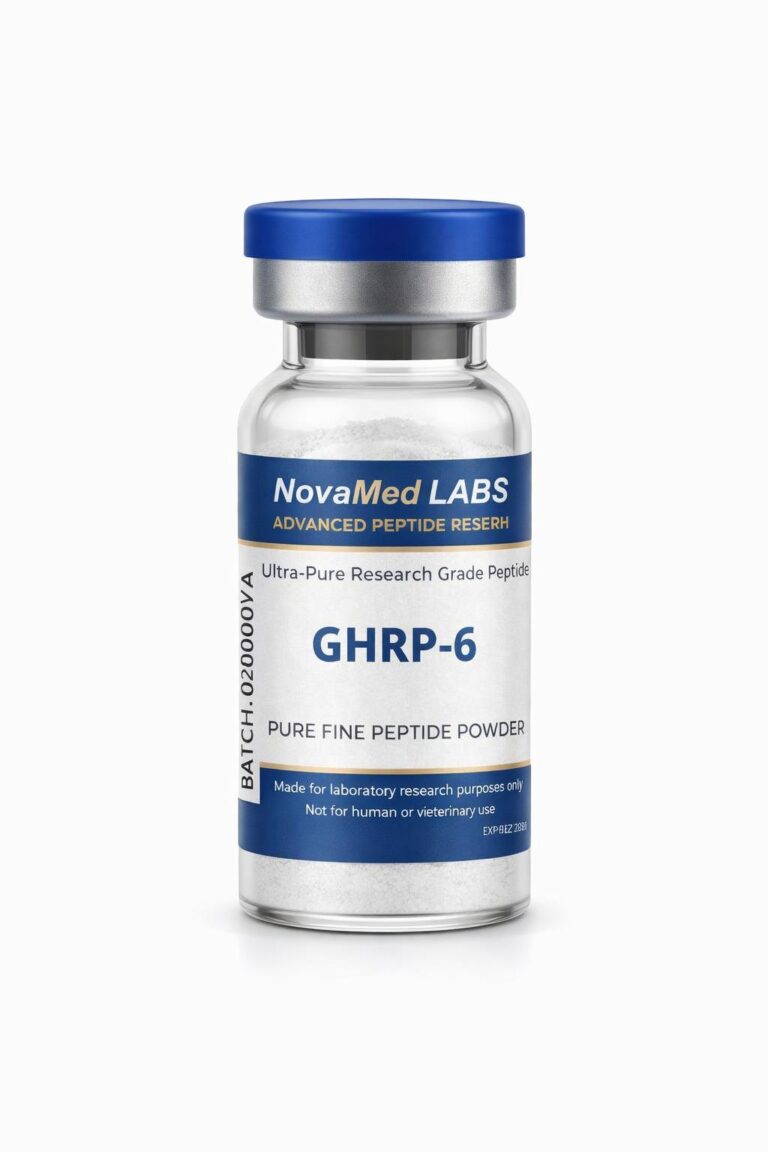
GHRP-6
Price range: £34.99 through £42.99mgGHRP-6
Hormonal — GH Secretagogue Ghrelin receptor-activating hexapeptide GHRP-6 is a synthetic hexapeptide and one of the first GH secretagogues identified. It stimulates GH release through ghrelin receptor (GHSR-1a) activation and is notable for its strong appetite-stimulating effect — a property that distinguishes it from the cleaner profile of Ipamorelin. Class: Hexapeptide GHS Receptor: Ghrelin (GHSR-1a) Notable Effect: Strong appetite stimulation
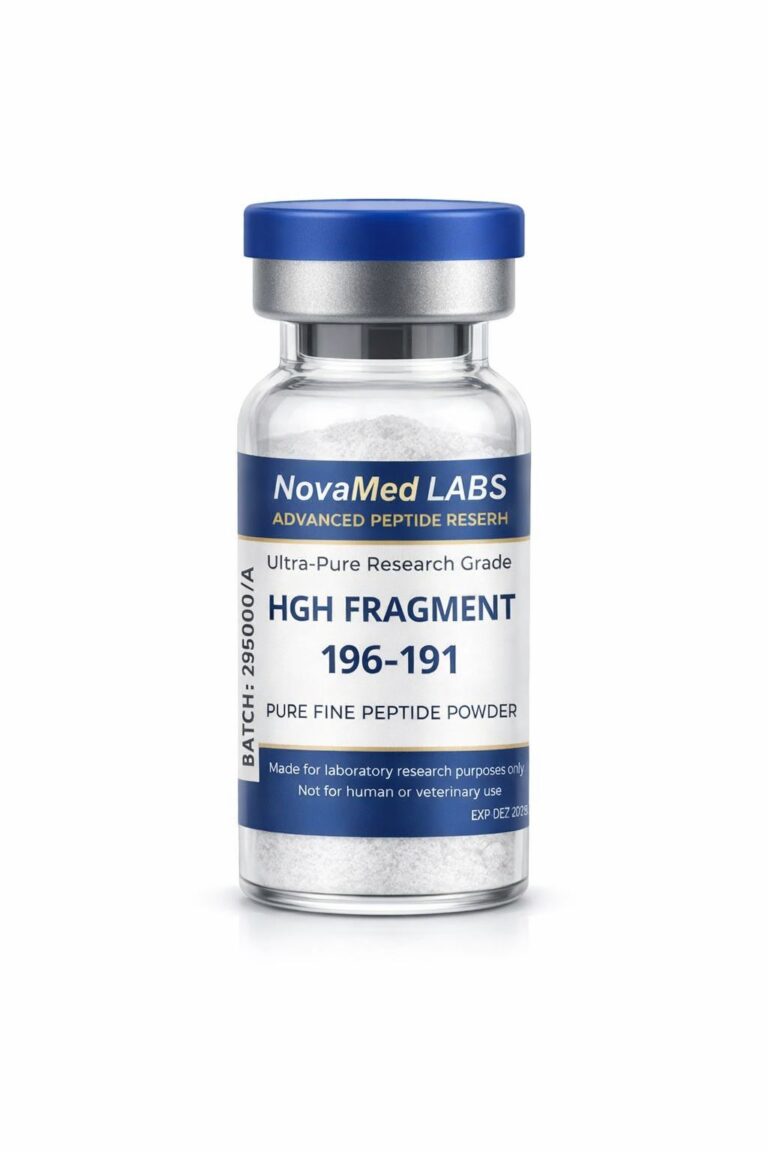
HGH Fragment 176-191
Price range: £28.99 through £49.99mgHGH Fragment 176-191
Hormonal — GH Fragment C-terminal lipolytic hGH fragment HGH Fragment 176-191 is the C-terminal peptide fragment of human growth hormone spanning amino acids 176–191. Similar to AOD-9604, it retains the lipolytic activity of full-length GH without stimulating IGF-1 or producing the anabolic or diabetogenic effects associated with full GH. Fragment of: hGH aa 176–191 IGF-1 Effect: None observed Primary Research: Lipolysis / fat loss
Ipamorelin
Price range: £36.99 through £45.99Ipamorelin
Hormonal — GH Secretagogue Ipamorelin is a selective ghrelin receptor agonist that stimulates GH release with minimal cortisol, prolactin, or ACTH elevation — one of the cleanest GH secretagogue profiles identified, with particular interest in sleep-stage GH pulse enhancement and lean body mass maintenance. Class: Pentapeptide GHS Receptor: Ghrelin (GHSR-1a) Half-Life: ~2 hours
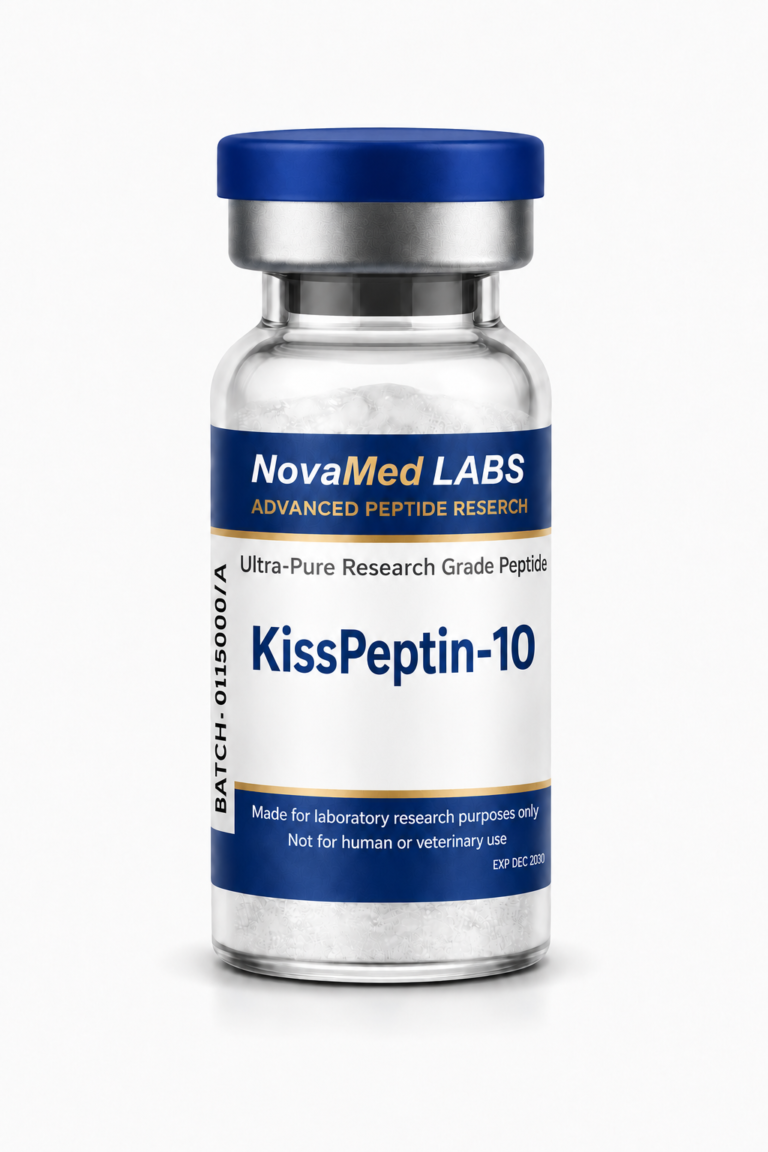
KissPeptin-10
Price range: £42.99 through £54.99KissPeptin-10
Hormonal — HPG Axis Regulator Kisspeptin-10
It is the minimal bioactive fragment of kisspeptin, a neuropeptide that sits at the very top of the reproductive hormone cascade.
By activating its receptor (KISS1R/GPR54) on GnRH neurons, it triggers the release of gonadotropin-releasing hormone — the master signal that drives the entire hypothalamic-pituitary-gonadal axis.
– Target:
KISS1R (GPR54)
– Class:
Decapeptide, kisspeptin fragment
– Primary Research Focus:
HPG axis & reproductive endocrinology
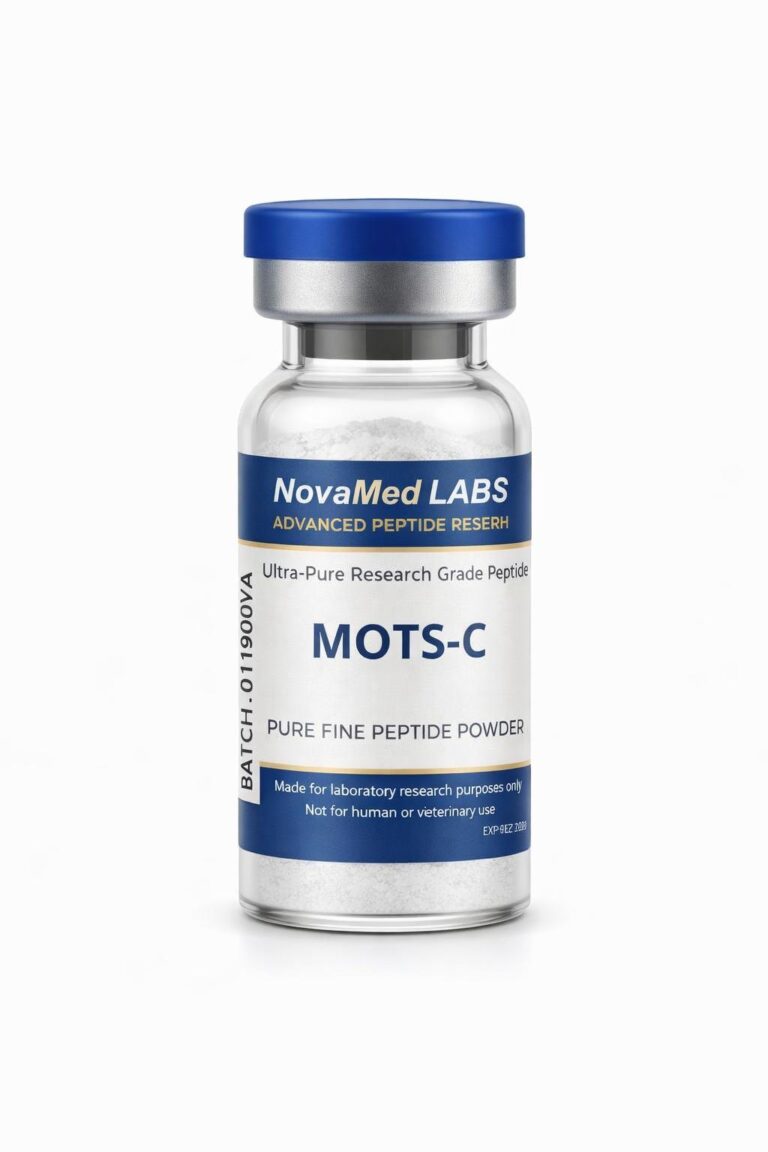
MOTS-c
Price range: £36.99 through £67.99MOTS-c
Metabolic — Mitochondrial Peptide MOTS-c
A mitochondria-derived peptide (MDP) encoded by the 12S rRNA gene in mitochondrial DNA — one of the first peptides discovered to be encoded by mitochondrial rather than nuclear DNA.
It acts as a metabolic regulator improving insulin sensitivity and exercise capacity, with expression declining with age.
- Origin: Mitochondrial DNA (12S rRNA)
- Key Target: AMPK pathway — metabolic regulation
- Notable finding: Plasma levels decline with age